The Camera Stays in the Drawer: Confessions of a Creator With a Secret Life
There's a Tuesday I've never told anyone about. Not the internet, not the comment section, not even the group chat that watches my rough cuts before anyone else. It was a nothing day — diner coffee, a long walk, a phone call that fixed something I'd been quietly worried about for months. And the entire time, a little voice in my head kept whispering the thing every creator knows by heart: this would film well.* I didn't film it. And honestly? That might be the most important creative decision I've made in two years.
The Behind-the-Scenes Trap
Here's the irony I've had to sit with: I built part of my brand on showing the messy stuff. The unpolished clips, the failed takes, the real apartment with the crooked blinds. "Behind the scenes" was supposed to be the honest layer under the glossy surface. But somewhere along the way, I noticed something uncomfortable — the mess had a format. The vulnerability had a pacing. I knew exactly which pause in my voice would make people comment "this is so real."
When your unfiltered content has a filter, it's not unfiltered anymore. It's just a second stage with dimmer lighting.
The BTS genre has quietly become its own performance. We've all watched a creator "candidly" cry in their car with the framing already perfect, and felt that little flicker of doubt. Viewers are smart. They can smell a staged confession the way you can smell a candle that's never been lit.
What I Actually Keep Off-Camera
This isn't about bad hair days or blooper reels — those make fine content and I'll keep posting them. I'm talking about a different category entirely. The stuff that only exists because no one is watching.
My Sunday morning ritual, which involves no routine at all and I will not elaborate. Certain friendships that got closer once I stopped narrating them. The small wins I used to immediately convert into story posts and now just... sit with. There's a version of a victory that happens the moment you film it, and a version that happens when you don't. I've started preferring the second one. It lasts longer.
Think of it like a fog machine on a movie set. A little fog makes everything look magical. Too much, and nobody can see the scene at all. I had been fogging my whole life, and then wondering why the important things were so hard to find.
The Math That Convinced Me
I did an experiment last spring — nothing scientific, just a tally. Out of thirty days, I could identify maybe six where I felt fully present. Not performing presence. Not mentally captioning the moment. Actually in it. That number scared me more than any analytics dashboard ever has.
So I made a rule, and it's embarrassingly simple: some days get documented, some days get lived, and I don't owe anyone an explanation of which is which. No countdown, no "I'm taking a break" announcement, no dramatic exit video. The drawer closes. The drawer opens. My audience doesn't need a press release about my interior life.
But Isn't Sharing the Job?
Look, I hear the counterargument, because I made it to myself for a long time. This is the business. Sharing is the product. If I'm not documenting, am I even working?
Here's what I found instead: the unshared days made the shared ones better. When I came back to the camera after a week of genuinely private living, the content had weight to it. I had opinions again instead of reactions. I had stories worth telling instead of moments worth monetizing. A life fully documented has nothing left to say — it's all footnotes and no text.
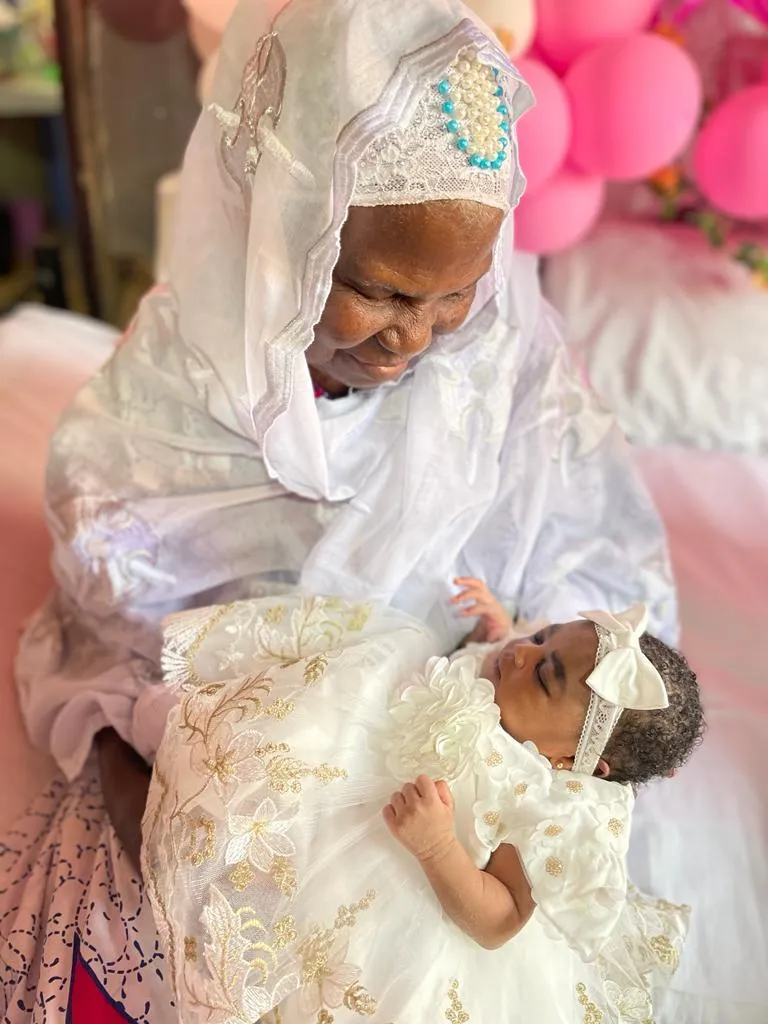
There's also a weird protective benefit I didn't expect. The things I keep offline can't be screenshotted, misread, or turned into discourse. My grandma's stories, my closest people, my 11 PM thoughts — they're safe precisely because they were never uploaded. In a culture where everything can be clipped out of context, privacy isn't hiding. It's editing. And I'm, professionally speaking, very pro-editing.
A Different Kind of Transparency
I still believe in being honest with the people who watch my work. But I've redefined what that means. Transparency doesn't require total access. You can trust a restaurant's kitchen without watching every chop. You can love a movie without needing the dailies.
So this is me, telling you about a boundary instead of showing you one. There are days you'll never see, and that's not a gap in the content — it's the reason the content still has a pulse. The camera stays in the drawer sometimes. The girl behind the lens needed a day off too.
And if you take one thing from this piece, let it be this: the best part of your life might be the part nobody gets to rewind.