The Best Interview Setup I Own Sits in My Grandma's Kitchen: Turning Family Stories Into a Weekly Series
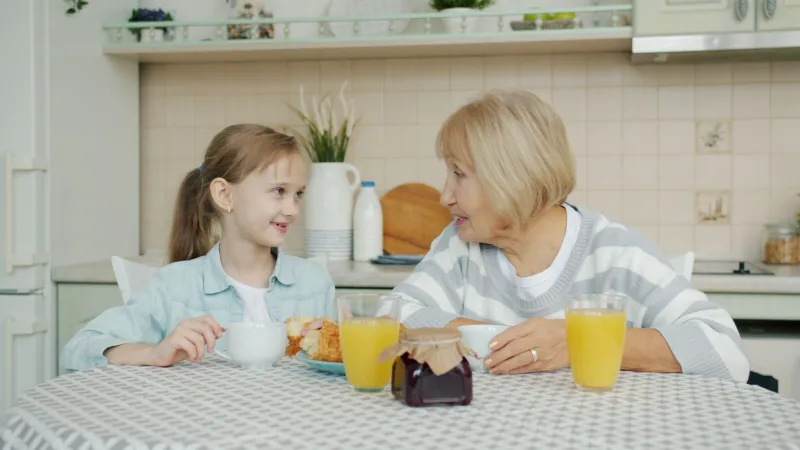
I've spent two years chasing every content format the algorithm promised would work. Aesthetic hauls. Day-in-my-life edits. GRWMs filmed in my car. Some landed, most didn't. Then I sat my grandmother down at her kitchen table, pointed a camera at her, and asked her what it was like to be eight years old during a blackout drill in 1962.
She talked for forty-one minutes. I didn't cut a second of it. That video outperformed everything I'd posted that quarter.
The Format Nobody Taught Us
Here's what surprised me: the oral-history interview isn't a novelty format. It's one of the oldest pieces of content in human history — we just forgot to put it on YouTube. Sitting down with an older relative and letting them talk is basically a podcast, except your guest has lived through things no creator can fake.
My grandmother, Dorothy, grew up in a small Ohio town, married a machinist, and raised three kids on a budget that would make a frugality influencer weep. She has opinions about everything from casserole economics to why modern jeans fall apart. When she talks, people watch. My comment section calls her "the queen." One viewer said she watches Dorothy's episodes with her own grandmother on Sundays. I cried a little, honestly.
How I Actually Shoot It
You don't need a studio. You need a table, a window, and some patience.
Lighting: I face her toward the window, never against it. On cloudy Ohio afternoons, that's a free softbox. If the light's bad, I clip a $14 LED from Amazon to a chair behind my laptop and bounce it off the ceiling. That's it. That's the lighting rig.
Framing: Two angles, one camera. I set up the wide shot on a tripod, then record a second take on my phone propped against the sugar bowl for close-ups. Cutting between them in the edit keeps a long story visually alive without a single fancy transition.
Audio: This is the part people skip and regret. Kitchen tables echo. I put a lavalier mic on her and drop a blanket over the bench if the room sounds hollow. Sixty years of memory deserves better than a room that sounds like a parking garage.
The questions: I stopped asking "tell me about your childhood" — too big, too vague. Instead: "What was the first thing you bought with your own money?" "Who was the strictest teacher you ever had?" "What did a Friday night look like when you were twenty?" Small doors open big rooms.
Why Gen Z Is Obsessed With Grandma Content
I have a theory. Most of us grew up in an economy of manufactured intimacy — creators performing relatability in ring-lit bedrooms. There's something disarming about a woman in a cardigan who has no idea what a subscriber count is and doesn't care.
Dorothy cannot be clout-baited. She pauses when she wants to pause. She once told a story about her mother stretching a pound of hamburger across four dinners, and the top comment said, "this taught me more than my finance degree." She's authentic in a way that can't be strategized, because she doesn't know there's a strategy to have.
There's also a quieter reason: a lot of us lost people before we thought to ask them anything. I've lost count of the comments that say some version of "interview your grandparents while you can." That comment shows up under every episode. It's become a running public-service announcement my audience gives itself.
Serializing Memory
The single smartest thing I did was stop treating these as one-off videos. Dorothy's stories became a series — same kitchen, same chair, new question every week. Regulars show up in the comments like it's a standing appointment. Retention on episode four was better than on anything I've made solo.
A few things that make serialization work:
- A consistent cold open. I start every episode with her saying one line from the story, out of context. It's become a signature.
- Cliffhangers by accident. She'll end a story mid-thought and I'll just... leave it. People come back.
- B-roll from real life. Her actual recipe box, her wedding photo, the hand-crank pencil sharpener still screwed to the wall. Thirty seconds of detail shots makes a talking-head video feel like a documentary.
The Part That Isn't About Content
I'll be honest with you, because this site has always been the place where I'm honest: somewhere around episode six, I stopped filming Dorothy as a creator and started filming her as a granddaughter. The camera kept rolling longer. The questions got slower. I stopped caring whether the footage was usable.
That's the strange gift of this format. It's the only content I make where the archive is the point and the upload is the side effect. If the series ended tomorrow and nobody watched another frame, I'd still have eleven hours of my grandmother's voice on a drive in my closet.
But people keep watching. So every other Sunday, I bring the mic, the clip light, and a fresh list of small questions to that kitchen table — and Dorothy, who still doesn't fully understand what a vlog is, asks if we're doing "the show."
We are, Grandma. We are.