Twelve Pieces, One Afternoon: The Winter Capsule I Built From the Back of My Closet

Photo: winter capsule wardrobe neutral layers coat flat lay natural light apartment, via wallpaperaccess.com
Every January I do the same thing: stand in front of my closet convinced I own nothing, then buy a sweater I do not need. This year I flipped it. I gave myself one rule — nothing new, nothing borrowed, nothing thrifted unless it was already hanging back there — and built a twelve-piece winter capsule out of the stuff I'd been sliding past for two seasons.
Then I filmed the entire lookbook in a single afternoon. Not because I'm efficient. Because I have one good window and roughly four usable hours of light in it.
The rule: shop the back of the rail, not the store
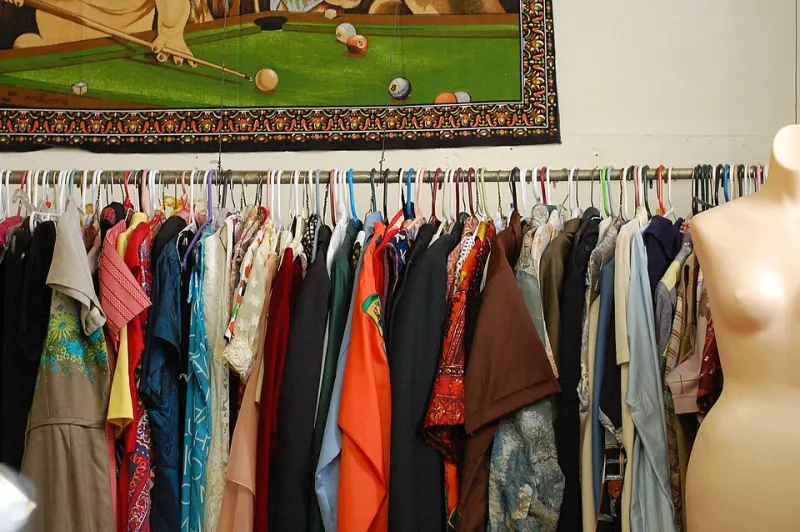
The back of a closet is a graveyard of things that were almost right. A turtleneck that's a little too long. Corduroys that got demoted when wide-leg jeans came back. A camel coat I bought in 2023 and then forgot about because it didn't fit over my puffer.
That's the raw material. Twelve pieces, chosen so that every top works with every bottom and every layer plays nice with the rest. Twelve sounds tiny, but the math is generous: six tops, four bottoms, two outer layers gets you more than forty combinations before you even count the boots.
The twelve
- Black fine-gauge turtleneck
- Cream cable-knit sweater
- Gray wool blazer (the one that already had its own fan club on my page)
- White button-down, slightly oversized
- Dark straight-leg jeans
- Brown corduroy trousers
- Black midi skirt
- Slip dress, repurposed as a mid-layer over the turtleneck
- Thermal base layer — the unglamorous hero
- Olive quilted jacket
- Long camel coat
- Leather ankle boots
That's it. No statement pieces, no sequins, nothing that only works once. If a piece couldn't be worn three ways, it went back in the closet.
Cost-per-wear math changed my whole edit
I have a spreadsheet, which is deeply uncool and extremely useful. For each piece I logged what I paid, how many times I've worn it, and how many wears I expect this winter.
The camel coat was $180 in 2023 and I've worn it 61 times. That's under $3 a wear, and it's the most expensive thing in the capsule. Meanwhile the $28 fast-fashion sweater I bought last November has been worn twice and is already pilling — $14 a wear from a piece that won't survive the season.
That's the argument, and it's the one I'd make to anyone standing in a mall right now: cost per wear is not the same as cost. The expensive thing you reach for forty times is the cheap thing. The cheap thing you never reach for is the expensive thing. My goal for this capsule is 25 wears per piece by March. I'm tracking it publicly, mostly to shame myself.
Layering is a production problem
Here's what nobody tells you about winter styling on camera: bulk reads as mess. A chunky sweater over a button-down over a base layer looks great in a mirror and looks like a sleeping bag on a 4K sensor.
The fix is structure. Base layer tight, mid layer textured, outer layer clean-lined. Keep the volume in one place — if the sweater is chunky, the pants are slim. If the coat is oversized, everything underneath is fitted. And pull one sleeve up, undo one button, tuck one side. Symmetry is what makes outfits look like mannequins.
The other trick: color-block in only two families. Cream and camel. Black and gray. Olive and brown. Winter light in most apartments is flat and cool, so a limited palette reads cleaner on camera than a rainbow does.
The one-afternoon shoot, hour by hour
I live in a small rental with one good window. I did not rent a studio, hire a photographer, or leave the building.
12:30 p.m. — Reset. Clothes laid out flat on the bed in five looks. Iron out. Trim the loose thread. Nothing kills a lookbook faster than a wrinkled sleeve.
1:00 p.m. — Set up. Three backdrops, all within eight feet of the window: the blank wall by the radiator, the hallway with the stair rail, and a corner where the light bounces back off a pale curtain. Tripod at chest height. Phone in portrait. One cheap clip light I never actually needed.
1:15 p.m. — The shot list. Eight frames per look, always the same: full body front, full body side, seated, close on the layers at the collar, hands in pockets, walking toward the window, a detail shot of the boots, and one 'real life' frame — coffee cup, coat half off, mid-laugh. That last one is what sells the whole lookbook, because it's the only one that doesn't look arranged.
1:30 to 4:00 p.m. — Five looks, thirty minutes each. Timer on. Ten minutes to change and adjust, twenty to shoot the eight frames. If a look isn't working by minute twenty, I move on. Bad light doesn't get better because you spent longer on it.
4:00 p.m. — The catch-all. Thirty minutes of b-roll before the sun drops: the coat swing, boots on the stair, the cable knit folded on the radiator, my hand on the closet rail. These are the pieces that hold the whole edit together.
4:45 p.m. — Done. Hard stop. I edit the next day so I don't sit there re-shooting a hem at 7 p.m. in lamp light.
What I'd do differently
Start an hour earlier once the clocks change — I lost the last look to a blue-gray afternoon and had to color-correct the corduroys into a totally fictional shade of brown. Also: shoot the layers first, since they're the most complicated, and leave the single-piece looks for when my energy is gone.
The capsule itself? Cheapest wardrobe refresh I've ever done, and it filmed better than the haul I dropped $300 on. The back of your closet is a full lookbook waiting for a free afternoon.