Thirty Days, Zero Fast Fashion: My Vintage-Only Experiment on Camera
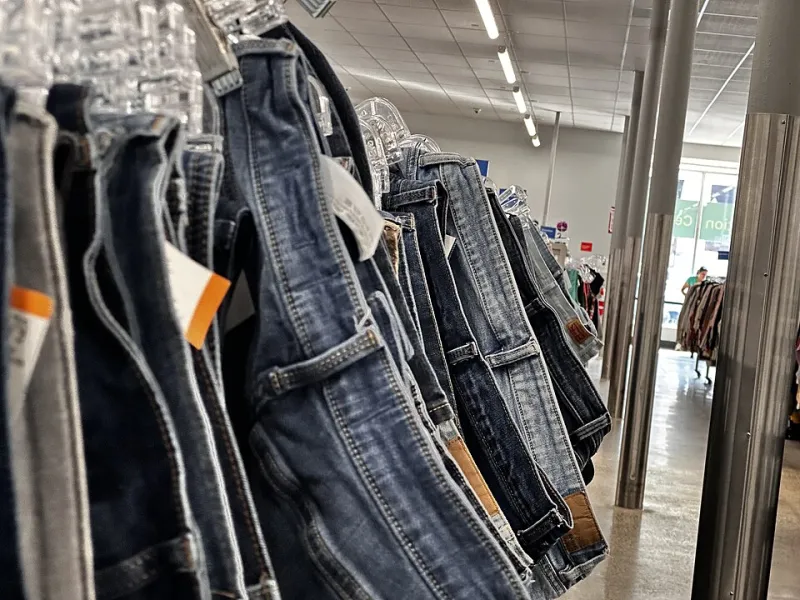
Photo: Magpieturtle, CC BY 4.0, via Wikimedia Commons
Let me be upfront: I did this experiment for the content. A '30 days of thrifted outfits only' challenge felt like an easy series — relatable, budget-friendly, a little bit viral. What I didn't expect was how much the constraint would mess with my head in the best possible way.
The rules were simple. Every outfit appearing on camera — lookbooks, vlogs, even the boring sit-down talking segments — had to be secondhand. Shoes, bags, jewelry, everything. The only exceptions were undergarments and my beat-up sneakers for gym days that never made it to film.
Week One: Withdrawal Symptoms
The first week was humbling. I didn't realize how much of my 'style' was just... ordering things. See a trend, click buy, wear it twice. Remove that reflex and you're left standing in front of a closet wondering what you actually like.
My first filmed lookbook of the challenge was a mess. I was styling pieces to look like fast fashion — trying to recreate a Shein outfit out of thrifted parts. It didn't work, and honestly, the footage looked stiff.
The Turn: Week Two
Something clicked around day ten. I stopped trying to make secondhand clothes imitate anything and started building outfits around what was in front of me. A 90s leather blazer from Goodwill. A hand-knit vest from a church rummage sale. Wide-leg trousers with a tag from a department store that closed before I was born.
And here's the thing — the comments noticed immediately. My DMs filled with people saying the looks felt 'more like me.' More like me. After three years of posting, a clothing constraint did what no brand deal or trend cycle had done: it gave me a visual identity.
There's a lesson in there for any creator reading this. Personal brand isn't something you announce. It's something that shows up when you run out of other people's trends to copy.
My US Thrifting Playbook
Since everyone asked, here's where I actually shopped this month:
- Goodwill — the workhorse. Best on weekday mornings, and always check the 'new arrivals' racks. Their online auction site is a rabbit hole for designer scores.
- Buffalo Exchange and Crossroads Trading — curated consignment. Pricier than Goodwill but pre-filtered for trend-forward pieces.
- Salvation Army — hit or miss, but the misses are cheap.
- Depop and Poshmark — for when you need something specific. Pro tip: search by era ("90s slip dress") rather than brand.
- Local estate sales — genuinely underrated. I found a real leather midi skirt for $12 that became the most-worn piece of the month.
The Audience Reaction
The response split exactly how you'd expect. Most of you loved it — the 'thrift with me' vlogs outperformed my regular hauls by a wide margin, and the styling videos got saved and shared way more than usual.
But some pushback was fair. A few people pointed out that thrift-flipping can price out people who need secondhand clothing, and that's a real tension. My take: shop your size, don't hoard, and skip the plus-size and essentials sections unless that's your size. Take what you'll actually wear.
What Sticks After the Challenge
The 30 days are over, but I'm keeping the rule at about 70%. If I buy new, it has to be from a small brand or something I'll wear for years. The rest comes secondhand.
The biggest shift isn't in my closet, though. It's that I stopped dressing for the algorithm and started dressing for the person in the mirror — a person, it turns out, who looks really good in a $12 leather skirt from a stranger's estate sale.
Try the challenge. Even for two weeks. Your style might thank you for the interruption.